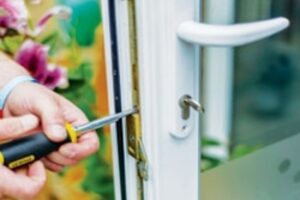
20 Insightful Quotes On Door Locks Replacement
Door Locks Replacement: A Comprehensive Guide
Door locks act as the first line of defense for securing one's home or office. In time, wear and tear can impact the functionality of these locks, causing the need for replacements. Whether you're dealing with a lock that won't turn, a key that won't fit, or simply want to upgrade for boosted security, understanding the process of door lock replacement is important. repairmywindowsanddoors supplies a detailed guide on door locks replacement, checking out the kinds of locks, the replacement procedure, and best practices for making sure security.
Kinds Of Door Locks
Before delving into the replacement process, it is important to comprehend the numerous kinds of door locks offered in the market. Here are the most common types of locks:
Type of Lock
Description
Typical Use
Deadbolt Lock
A lock that is operated by turning an essential or knob; more powerful than basic locks.
Exterior doors, high-security locations.
Knob Lock
A typical type of lock found on interior and exterior doors; not as secure as deadbolts.
Interior doors, light-use exterior doors.
Lever Handle Lock
Operated by a lever instead of a knob; more easy to use, especially for those with impairments.
Interior doors, commercial spaces.
Smart Lock
A modern locking system that uses electronic systems and can be controlled through smartphone apps.
Homes and workplaces needing flexible access.
Chain Lock
An easy lock that allows the door to be opened slightly while still being secured.
Residential doors, particularly for added safety.
Why Replace a Door Lock?
There are a number of factors why one might think about changing a door lock. These include:
- Security Concerns: Old or damaged locks can jeopardize safety.
- Lost Keys: If secrets are lost or stolen, changing the lock ensures unapproved access is prevented.
- Upgrading Locks: Moving from standard locks to smart locks for boosted convenience and security.
- Wear and Tear: Regular usage can lead to deterioration, triggering locks to stop working.
The Process of Door Locks Replacement
Changing a door lock can appear daunting, however with the right tools and steps, it can be a simple process. Here's how to do it:
Tools Needed
- Screwdriver (flathead and Phillips)
- Replacement lock
- Measuring tape
- Level
- Drill (if needed)
Steps for Replacement
Remove the Old Lock:
- Unscrew Bolt and Faceplate: Use a screwdriver to eliminate the screws from the lock's faceplate and the bolt on the edge of the door.
- Take Out the Lock Cylinder: Once unscrewed, gently take out the lock cylinder from its place.
Prepare the Door:
- Inspect the door for any damage or wear. Tidy the location to permit a smooth installation for the new lock.
Set Up the New Lock:
- Insert the New Cylinder: Push the new lock cylinder into location.
- Secure the Faceplate: Align the faceplate and bolt, protecting them with screws.
- Test Functionality: Before completely securing whatever, test the lock with the key to check functionality.
Last Adjustments:
- If there's any misalignment, utilize a level to make sure the lock is straight and adjust as required.
Frequently Asked Questions (FAQs)
How much does it generally cost to change a door lock?
- The expense can vary widely based upon the type of lock being changed. A basic knob lock may cost around ₤ 10-₤ 30, while smart locks can vary from ₤ 100-₤ 300 or more, including installation.
Can I replace a lock without professional help?
- Yes, with fundamental tools and a little assistance, many house owners can successfully change their door locks. However, if you feel uncomfortable, employing a locksmith can ensure it is done correctly.
How often should door locks be changed?
- It is recommended to replace door locks every 5 to 7 years, or faster if you notice any signs of wear or if crucial security is compromised.
What should I search for in a new lock?
- When purchasing a new lock, consider the security ranking, ease of usage, type (deadbolt, smart, etc), and whether it's weather resistant if used outdoors.
Are smart locks worth the investment?
- Smart locks offer convenience and can boost security, permitting functions like remote access. The investment can be warranted for tech-savvy property owners or those wanting modern security solutions.
Best Practices for Secure Locks
To ensure the durability and efficiency of your door locks, consider the following practices:
- Regular Maintenance: Routinely check and oil locks to avoid rust and guarantee smooth operation.
- Upgrade Security: Consider setting up deadbolts or smart locks in high-risk locations of your home.
- Modification Locks When Needed: Always change locks if you move into a new home or if keys have actually been lost or taken.
- Do Not Share Keys: Limit the number of copies made and think about digital alternatives for easy access controls.
Changing a door lock is an important ability for homeowners and occupants alike, supplying both security and assurance. By comprehending the kinds of locks available, the factors for replacement, and the steps associated with changing them, anyone can enhance their home's security. Whether selecting conventional locks or smart technology, making informed choices is essential to protecting your home.
By following the guidelines in this post, people can guarantee their homes stay secure while delighting in the benefits of new locking technology.